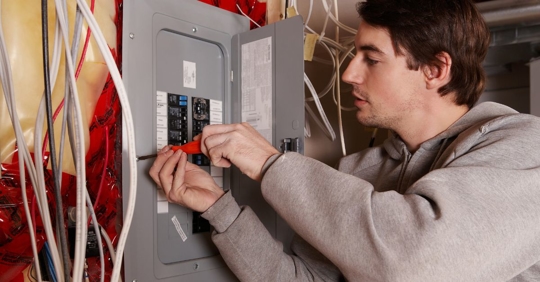
Your home’s electrical panel is the central hub that keeps power flowing safely and efficiently throughout your property. Understanding its components, function, and maintenance needs is essential for homeowners looking to manage electrical safety and reliability. From routine inspections to troubleshooting and upgrades, a well-maintained panel ensures your household runs smoothly while protecting against hazards.
Anatomy of an Electrical Panel: Components and Key Terms
An electrical panel contains several critical components that work together to distribute power safely:
- Circuit breakers: Protect circuits from overload by interrupting electricity flow.
- Bus bars: Metal strips that distribute electricity to various breakers.
- Ground wires: Provide a safe path for electricity to prevent shocks.
- Neutral bars: Return current to the power source to complete the circuit.
Understanding key electrical terms is also essential:
- Amperage: The amount of electrical current flowing through the wiring.
- Voltage: The force that powers devices and systems.
- Circuits: Pathways that control electricity flow to specific areas or appliances.
These components and terms form the backbone of your home’s electrical system, helping you understand how power is safely managed and distributed.
How Electrical Panels Function
Electricity enters your home through the main service wires, flowing into the panel and then through the main breaker.
From there, smaller circuit breakers direct electricity to different areas of your home, including:
- Lights
- Outlets
- Appliances
Circuit breakers are essential for safety, automatically tripping to prevent overloads, short circuits, or fire hazards. When the system operates properly, your panel ensures electricity reaches your home efficiently and safely.
Navigating Your Electrical Panel: Labels and Layout
Effectively navigating your panel starts with understanding labels and layout:
- Each breaker should be labeled according to the area or appliance it powers (e.g., “Kitchen Lights” or “Bedroom Outlets”).
- If labels are missing, map circuits by turning them off one by one to identify corresponding outlets and fixtures.
- Use durable adhesive tags or a permanent marker for long-lasting clarity.
- Update labels during renovations or system upgrades to maintain accuracy.
Clear labeling improves safety, reduces confusion during emergencies, and makes troubleshooting more efficient.
Safety Precautions and Best Practices
Always prioritize safety when working near an electrical panel:
- Ensure hands are dry and wear rubber-soled shoes.
- Use insulated tools and protective eyewear.
- Stand on an insulated mat for extra protection.
- Avoid working in wet conditions or poor lighting.
- Do not overload individual circuits.
When in doubt, consult a licensed electrician to handle complex tasks safely.
Maintenance and Troubleshooting
Regular panel maintenance can prevent issues and extend its lifespan.
Key tasks include:
- Inspecting for rust, corrosion, or worn-out breakers
- Checking for loose connections and tightening screws
- Keeping the panel clean and free from dust or debris
Routine maintenance helps prevent electrical arcing, enhances reliability, and safeguards your home from hazards.
Identifying and Resolving Common Issues
Common problems to watch for include:
- Tripping breakers (often caused by overloaded circuits or faulty appliances)
- Flickering lights (loose bulbs or faulty switches)
- Buzzing or humming noises (potential arcing or loose connections)
Persistent issues may require professional intervention. Small Jobs Electric, Inc. ensures safe and efficient resolution of electrical panel problems.
Upgrading Your Electrical Panel
Upgrade your panel if you notice:
- Frequent breaker trips
- Flickering lights
- Consistent power surges
Expanding your home or adding large appliances may also require a panel upgrade. Modern breaker panels offer improved safety, efficiency, and capacity for smart-home systems and energy-efficient appliances.
Options and Considerations for Upgrading
Factors to consider when upgrading include:
- Panel size (e.g., upgrading from 100-amp to 200-amp)
- Cost versus long-term benefits
- Compliance with local electrical codes and permit requirements
Working with professionals, like Small Jobs Electric, Inc., ensures upgrades meet code, improve safety, and future-proof your home’s electrical system.
Addressing Common Concerns and Misconceptions
Common myths about electrical panels include:
- Myth: You can keep adding appliances without limits.
- Myth: Adding more breakers increases capacity without upgrading the main panel.
- Myth: Electrical panels require no regular inspection.
Understanding your panel’s limitations helps prevent overloading, system failure, and unsafe practices.
Frequently Asked Questions
- Can I upgrade my panel myself? Not recommended—complex and risky without a license.
- What panel size do I need? Typically depends on home size and electricity use; newer homes often require 200-amp panels.
- How do I know if my home is properly grounded? A professional electrician can inspect and verify grounding safely.
Small Jobs Electric® Inc offers expert guidance to answer these questions and maintain safe, efficient electrical systems.
Turn to Small Jobs Electric® Inc for Professional Panel Service
A safe and efficient home electrical system starts with thorough understanding and proper management of your electrical panel. At Small Jobs Electric® Inc, our licensed electricians are ready to assist with all your electrical panel needs, from maintenance and troubleshooting to comprehensive upgrades. If you're looking for peace of mind and enhanced home safety, contact us today to ensure your electrical panel is in optimal condition.
Call Small Jobs Electric® Inc now at (813) 303-0052 or contact us online.