Skip to Content
Saving the Day Throughout Tampa Since 1986
Tampa Bay's Most Requested Electricians
Top

Frequently Asked Questions

Frequently Asked Questions

Trusted Electricians Answer Your Questions

Small Jobs Electric® Inc is a local, family-owned and -operated electrical company that has been serving our community since 1986. We provide a full suite of residential and commercial electrical solutions and are ready to meet your needs. Below, you can review some frequently asked questions about us and our service areas.

If you have any additional questions, please call (813) 303-0052 or contact us online.

Filter by Keyword or Category
  • Clear All
  • Electrical Service Pricing

    • Why Did Electricians Stop Charging by the Hour?

      In the 1980s and 1990s, electricians commonly billed hourly. In Tampa Bay, traditional hourly rates often range between $100 to $150 per hour. Emergency or after-hours work can increase that rate significantly.

      But hourly billing created uncertainty.

      Homeowners didn’t know:

      • How long troubleshooting would take
      • What hidden issues might be discovered
      • What the final total would be

      Flat-rate pricing became popular because it provides clarity and comfort. You know the cost before work begins.

    • How Much Does It Cost to Have an Electrician Come Out to Your Home in Tampa Bay?

      The answer depends on how pricing is structured. In today’s residential electrical industry, most companies use a pricing model that includes:

      • A service fee
      • Plus a flat-rate repair price

      Understanding how this works will help you feel confident before booking an appointment.

    • Is Emergency Electrical Service More Expensive?

      Yes. After-hours, weekend, and urgent services usually cost more due to availability and scheduling demands.

      Call immediately if you notice:

      If there is smoke or a fire risk, call 911 first. Then contact our licensed electricians. Electrical issues can escalate quickly.

    • How Much Is the Service Fee for an Electrician in Tampa Bay?

      Most residential electricians in the Tampa Bay area charge a service fee to come out to your home. This typically ranges between $89 to $189.

      The service fee is generally separate from the flat-rate repair cost.

      It covers:

      • Travel to your home
      • Professional troubleshooting
      • Diagnostic testing
      • Electrical system evaluation
      • Written repair options

      The purpose of the service fee is to allow the electrician to properly identify the problem before presenting a repair price.

      Some electrical companies may choose to waive the service fee in certain situations.

      For example:

      • If you approve a repair
      • During special promotions
      • If you are part of a maintenance agreement or service membership

      At Small Jobs Electric® Inc, homeowners enrolled in our service agreement may have their service fee waived as a benefit of membership.

    • Is The Service Fee Included In The Repair Price?

      Typically no. The service fee covers diagnostics and is separate, although it may be waived in certain situations or for members.

    • How Do Electricians Charge for Repairs?

      Most residential electrical service companies use flat-rate pricing instead of hourly billing.

      Here’s how it works:

      1. The electrician diagnoses the issue.
      2. You receive a fixed price.
      3. You approve the price before work begins.
      4. The repair is completed.

      The price does not change based on time. Whether the job takes 45 minutes or two hours, the price remains the same. This removes the uncertainty of watching the clock.

    • Does Flat-Rate Pricing Include Materials?

      Often it does, but always confirm with the company before approving work.

    • How Is Flat-Rate Pricing Similar to an Estimate for a Room Addition?

      Think of flat-rate pricing like getting an estimate for a room addition or new electrical wiring project. A contractor doesn’t say: “We’ll charge by the hour and tell you the total when we’re done.”

      Instead, they evaluate the scope and provide a complete price that includes:

      • Labor
      • Materials
      • Planning
      • Experience
      • Overhead
      • Warranty

      Flat-rate electrical pricing works the same way.

      You’re paying for:

      • The completed repair
      • Professional workmanship
      • Code compliance
      • Warranty protection
      • Peace of mind

      Not for time spent on a stopwatch.

    • How Can I Get An Accurate Estimate?

      The most accurate way to determine cost is through an on-site evaluation by a licensed electrician.

    • How Much Does Common Electrical Work Cost in Tampa?

      Here are typical residential pricing ranges in the Tampa Bay market:

      That said, the actual costs depend on:

      • Wiring condition
      • Accessibility
      • Permit requirements
      • Utility coordination
      • Grounding and bonding upgrades
      • Panel size (100 amp vs 200 amp)

      Panel upgrades in Tampa Bay often involve more than just replacing equipment. Many projects require bringing the electrical service up to current code standards, however, every home is different.

  • Electric Vehicle (EV) Chargers

    • What Types of EV Chargers Are Available?

      There are three main types of EV chargers: Level 1 (standard household outlets), Level 2 (240V charging stations typically found at homes and public locations), and Level 3 (DC Fast Chargers for rapid recharges, used for dedicated commercial charging stations).

    • How Long Does It Take to Charge an Electric Vehicle?

      Charging time varies based on the type of charger, the vehicle's battery capacity, and the current battery level. Level 1 chargers can take many hours, while Level 2 chargers usually require a few hours, and DC Fast Chargers can provide a significant charge in as little as 30 minutes.

    • Can I Install an EV Charger in My Home?

      Yes, we can help you install a home EV charger – usually a Level 2 charger – which requires a dedicated circuit. It may also require an electrical panel upgrade. You should always hire a licensed electrician to complete a proper installation and verify compliance with local codes.

    • Can I Use a Regular Extension Cord to Charge My Electric Vehicle?

      No, it's not advisable to use a regular extension cord to charge an electric vehicle. It may not be able to handle the power requirements and can pose safety risks. Always use a proper EV charging cable designed for the vehicle.

  • Portable Generators

    • Why Should I Consider Installing a Portable Generator in Florida?

      Florida’s severe weather events, including hurricanes, can knock out power for days at a time, so a properly installed portable generator can provide invaluable peace of mind. During an outage, a portable generator can keep your essential appliances like refrigerators, medical devices, and air conditioning equipment running.

    • How Long Can a Portable Generator Run Continuously?

      The continuous runtime of a portable generator depends on its fuel capacity and the load it powers. Many modern portable generators can run for six to eighteen hours on a full tank, but usage may vary based on environmental conditions and load.

    • Are Portable Generators Safe to Use Indoors?

      No, portable generators should never be used indoors or in enclosed spaces due to the risk of carbon monoxide poisoning. Always operate them outdoors in well-ventilated areas. We can help select the appropriate location for your new portable generator and handle all aspects of the installation.

    • Can I Connect a Portable Generator Directly to My Home’s Electrical System?

      Directly connecting a portable generator to your home’s wiring system can be dangerous and is generally not recommended without a transfer switch. A transfer switch safely diverts power from the generator to your home circuits and prevents backfeeding.

  • Outlets

    • How Do I Know If an Outlet Is Still Working?

      To test if an outlet is functioning, use a voltage tester or plug in a working device. If it doesn't power on, it may indicate an issue with the outlet or the circuit.

    • What Types of Electrical Outlets Are Commonly Used Today?

      The most common types include standard duplex outlets, GFCI outlets (ground fault circuit interrupter), and AFCI outlets (arc fault circuit interrupter), each serving different safety functions and applications. If you are looking to install or replace outlets, we can recommend the most appropriate type of outlet for each area.

    • What Should I Do If an Outlet Is Warm to the Touch?

      Warm outlets can indicate an overloaded circuit or faulty wiring, which can pose a fire hazard. You should turn off the power and have a qualified electrician inspect the issue immediately. Similarly, if you notice sparks or hear buzzing sounds coming from an outlet, immediately unplug any connected devices, turn off the power at the circuit breaker, and promptly schedule professional repairs.

    • Is it Safe to Use an Extension Cord with Multiple Devices?

      While extension cords are convenient, using them with multiple high-wattage devices can lead to overheating and potential fire risks. It's best to plug only one device into each extension cord, so consider hiring our team to install more outlets if necessary.

  • Electrical Panels

    • What Is an Electrical Panel?

      An electrical panel is the main distribution point for electrical circuits in your home or building. It houses circuit breakers or fuses that control the flow of electricity to different areas.

    • Where Can I Find My Home’s Electrical Panel?

      Typically, electrical panels are installed in areas that are easily accessible yet out of the way, such as garages or utility rooms. In some cases, you may find the panel in a hallway or closet, especially in newer homes designed with space efficiency in mind. Look for a metal box with a door that may be marked with labels indicating its function. If you're having difficulty locating the panel, consult your home’s blueprints (if available) or reach out to a licensed electrician for assistance. Keeping the area around your electrical panel clear of obstructions is important for safe access and maintenance.

    • How Do I Know If My Electrical Panel Needs to Be Replaced?

      Signs that your electrical panel may need replacement include flickering lights, tripped breakers, corrosion, or a panel that feels warm to the touch. Additionally, if your panel was installed prior to the 1990s, it may not meet current safety standards.

    • What Should I Do If I See Sparks or Hear Buzzing from My Electrical Panel?

      If you notice sparks or hear buzzing noises, it may indicate a serious issue, such as loose wiring or overloaded circuits. Immediately turn off the power to the panel at the main breaker and contact a qualified electrician for inspection and repairs.

  • Lighting Installations

    • What Should I Do If My Lights Flicker?

      Flickering lights can indicate a loose bulb or wiring issue. If the issue persists after replacing the bulb, give us a call. Our qualified electricians can diagnose any underlying electrical problems.

    • What Kind of Electrical Work Is Required for Chandelier Installation?

      Installing a chandelier may require an electrical box rated to support the weight and, depending on the complexity, might involve new wiring or upgrading existing fixtures. It’s a good idea to consult a licensed electrician for safety. We specialize in chandelier installations.

    • Can Your Company Help with Lighting Design?

      Yes, we can assist with indoor and outdoor lighting solutions tailored to your specific needs. Whether you’re looking to enhance the ambiance of your living spaces, illuminate pathways, or create the perfect setup for pools or pool tables, our expertise can deliver lighting that is both functional and aesthetically pleasing. We collaborate closely with clients to understand their vision and implement customized lighting designs that not only meet safety standards but also elevate the overall experience of your home or outdoor area.

  • Electrical Code Inspections

    • What Is an Electrical Code Inspection?

      An electrical code inspection is a thorough examination of an electrical system's compliance with local, state, and national electrical codes. It is designed to maintain safety and verify the proper installation of electrical components in a building.

    • What Happens If My Electrical System Fails an Inspection?

      If your system is not up to code, we will detail the problems in our report. You will then be required to address these issues, but we can often complete any necessary repairs or upgrades during the same visit.

    • How Often Do I Need Electrical Code Inspections?

      Inspections are typically required when new electrical installations or significant renovations occur. Additionally, you should request an inspection before purchasing a property. We usually recommend routine inspections every three to five years for newer homes and every two to three years for older homes with aging electrical infrastructure. Businesses may need more frequent inspections, depending on the nature of their operations and any applicable regulations.

  • Electricians

    • How Do I Know If I Am Hiring a Reliable Electrician?

      When looking to hire a reliable electrician, several factors can help you make an informed decision. First, confirm that the electrician holds the necessary licenses and certifications required in your state or country. A valid license demonstrates that they have undergone the required training and adhere to industry standards. Additionally, ask for proof of insurance coverage, including liability insurance and workers’ compensation, which protects both you and the electrician in case of accidents.

      Second, seek recommendations from friends, family, or online review platforms. Previous client experiences can provide valuable insights into an electrician's reliability and quality of work. Carefully review testimonials and client reviews for evaluations of the electrician’s punctuality, professionalism, and ability to complete projects within budget.

      Finally, assess their communication skills and willingness to answer your questions. A trustworthy electrician should be informative, transparent, and responsive, making the entire process smoother and more reassuring for you.

      At Small Jobs Electric® Inc, our electricians are fully licensed and insured. They’re also drug-tested and background-checked for your peace of mind. We encourage you to take a look at our reviews to learn more about why we have become the one-stop electrical solution for so many of our clients. Our team can provide honest, detailed answers to any questions you may have.
    • How Long Does Electrical Work Take?

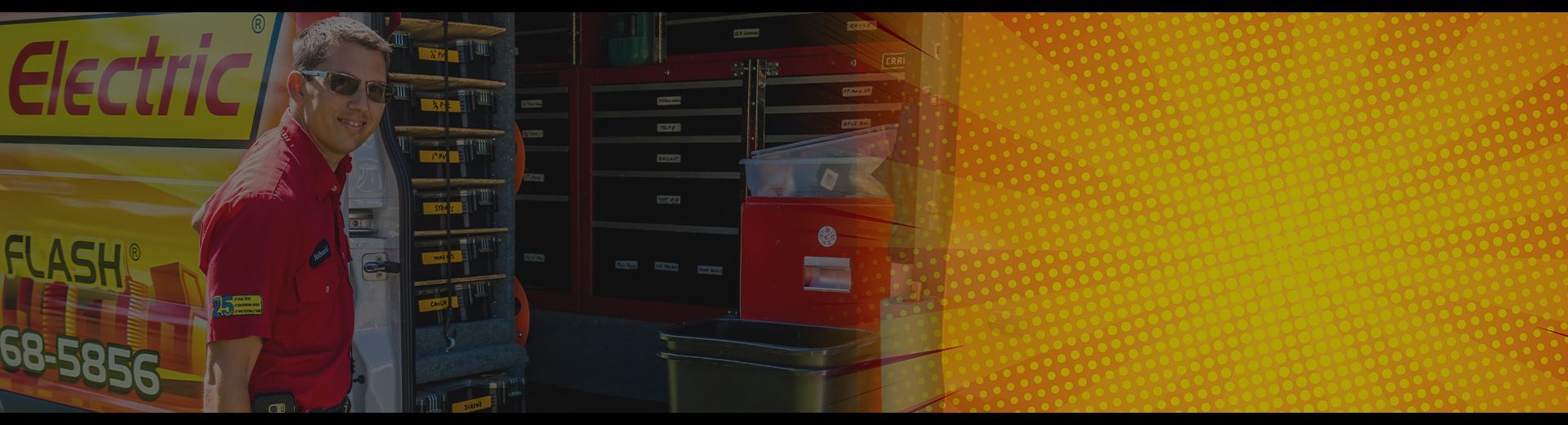
      The duration depends on the complexity of the job. Simple tasks may take a few hours, while larger projects could take several days. When you meet with us, we will provide a timeline that estimates how long we expect the work to take. We will also provide updates on our progress throughout the project. Note that because our electricians come to your building in a fully stocked van, we are frequently able to complete our work in a single visit.

    • Do I Need to Be Present When an Electrician Is Working?

      While it's not necessarily mandatory, being present can help you communicate any specific needs or concerns directly with our team and verify the work aligns with your expectations.

    • What Is Considered an Electrical Emergency?

      Some types of electrical work can be scheduled at your convenience, while others may require prompt action. A common scenario is an extended power outage that affects essential services, such as refrigeration or heating, especially in extreme weather conditions. Sparks, smoke, or burning smells coming from electrical outlets, appliances, or panel also warrant immediate attention, as they may indicate potential fire hazards. Other emergencies might involve exposed or frayed wires, which pose risks of electrical shocks, or persistent tripping of circuit breakers, suggesting underlying electrical faults.

      If you think you may be dealing with an electrical emergency, we urge you to turn off the power and get in touch with us right away by calling (813) 303-0052. If an electrical fire has already started or you think one may be imminent, call 9-1-1 and evacuate your building before giving us a call. We offer emergency electrical services and will work to get to you as quickly as possible.

    • Should I Attempt DIY Electrical Work?

      While minor tasks like changing a light bulb or replacing a fuse can often be handled safely by homeowners, more complex electrical projects should typically be left to qualified electricians. Attempting DIY electrical work without the proper knowledge and training can lead to serious safety hazards, including electrical shocks, fires, or further damage to your home or building’s electrical system. Moreover, improper installations can void insurance policies and lead to costly repairs down the line. If you are ever in doubt, it is in your best interest to consult with or hire a licensed electrician so that the job is done safely and meets all local codes and regulations. Prioritizing safety and compliance will ultimately help protect you and your property.